Writing about food sounds like a dream 🙂 And writing about Portuguese food sounds even better 🙂 Portuguese cuisine is definitely one of the best in Europe. From fresh fish and seafood to tasty meat dishes, fruit, vegetables and pastries, you will surely not starve in Portugal 🙂 I recommend reading this post with full belly 🙂
Fish (peixe) – Portuguese love all types of the fish and it is no surprise since they have a long coast.
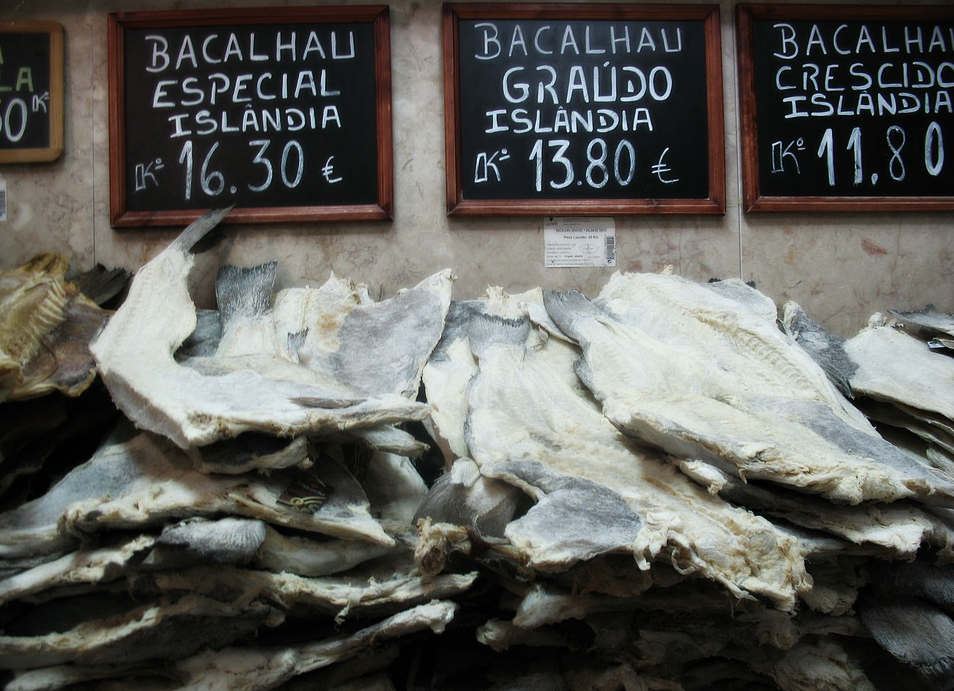
- Codfish (“bacalhau“) – Codfish is probably the most traditional fish that you can find on a Portuguese plate, however it is being imported from North Atlantic (mainly Norway and Iceland). Portugal is the world’s biggest consumer of cod, with an average of 35 kilograms per person, per year! It is usually sold salted and dried and kept for a few days in the water to “grow” and get unsalted. Afterwards cod is prepared in many ways – cooked, baked, grilled, fried or as an addition to other dishes, such as salty pancakes “pataniscas” or famous “bolinhos de bacalhau“. Cod is also eaten as a typical Christmas food, along with cooked potatoes and Portuguese cabbage “penca“. You can try some cod in every typical Portuguese restaurant, for example in a restaurant called nothing but Bacalhau (however its name is not derived from the cod but from the name of the street it is located in – Muro dos Bacalhoeiros).
- Sardines (“sardinhas“) – For Portuguese, sardines are much more than just a fish. They are a cultural symbol and an inspiration for art. Sardines are eaten both fresh as well as canned. They represent a main dish during the traditional São João do Porto festival. The importance of sardines in Portuguese culture highlights also the fact they are a part of several Portuguese sayings, e.g. “A mulher e a sardinha querem-se pequenina” meaning that both a woman and a sardine are meant to be small or “Cada um puxa a brasa à sua sardinha” meaning that everyone looks out for his own interest.

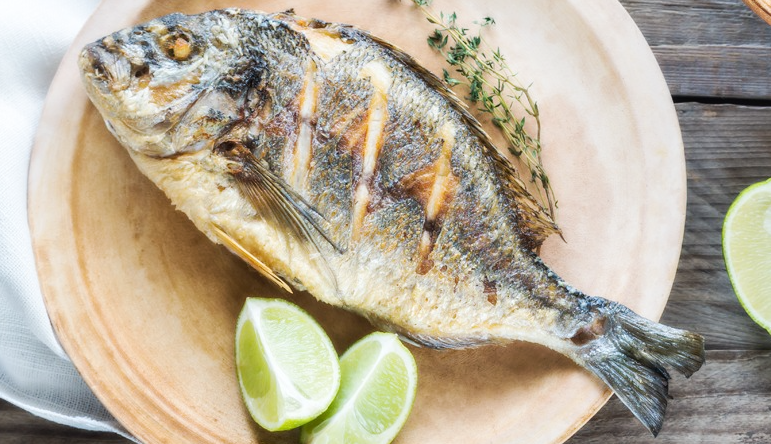
- Gilt-head bream (“dourada“)
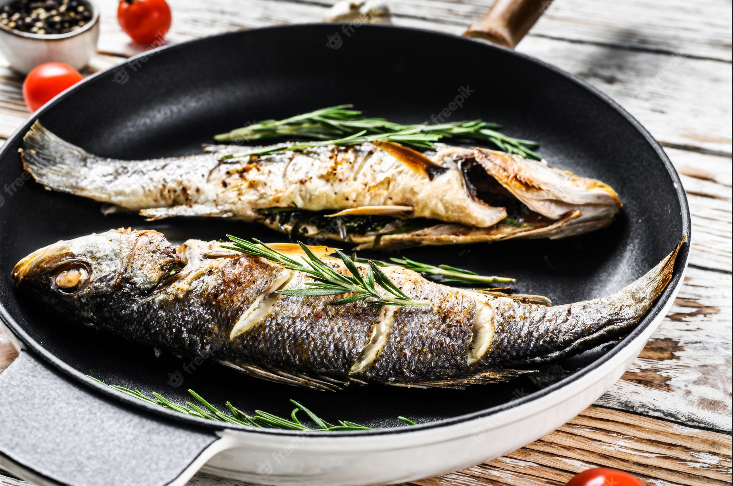
- Sea bass (“robalo“)
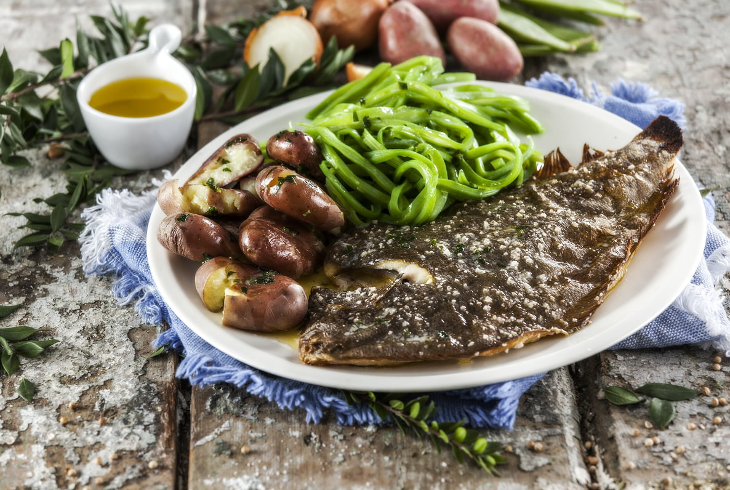
- Flounder (“linguado“) or a very similar sole (“solha“)
- Salmon (“salmão“)
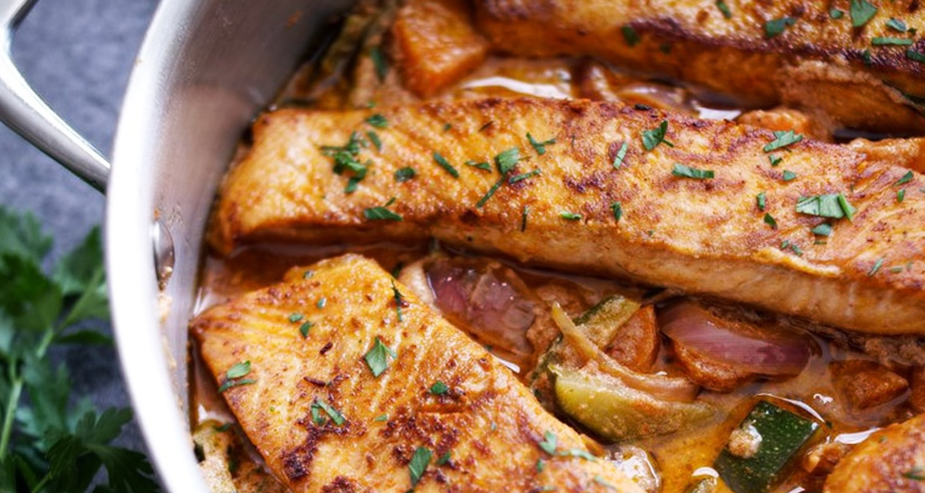
- Caldeirada – If you cannot decide which fish to eat, do not worry 🙂 Portuguese have a dish called “caldeirada” consisting of several types of boiled fish.

Seafood (“marisco“) – Apart from fish, Portugal is also famous for its seafood called locally “marisco“. Some seafood restaurants in Porto are Ostras & Coisas, Taberna Dos Mercadores or Taberna d’Avó.
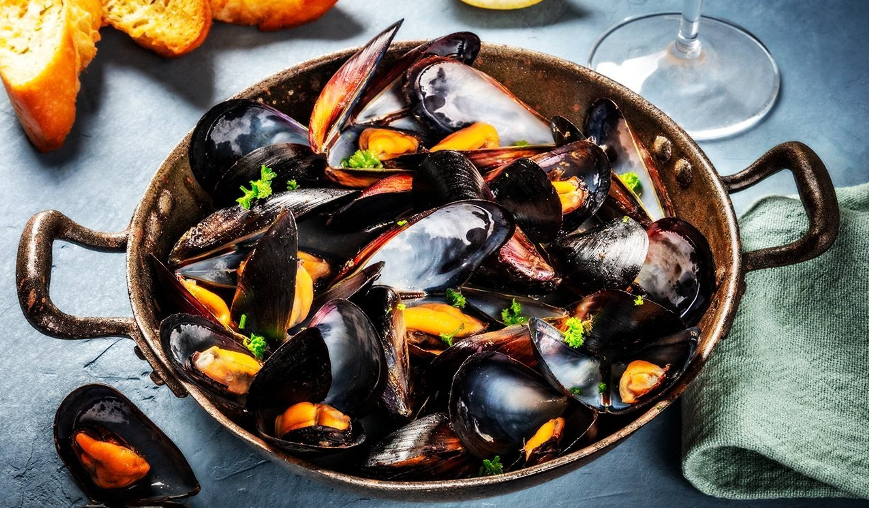
- Mussels (“mexilhões“) – You can either eat mussels in restaurant or prepare it at home (1 kg of fresh mussels in the supermarket costs around 2-3 euros). I use this recipe. Instead of white wine you can use also “vinho verde” 🙂 They can serve as a starter or a main dish.
- Clams (“amêijoas“) – Clams are a bit smaller than mussels but in my opinion the same or even more tasty. Portuguese eat them normally as a starter.

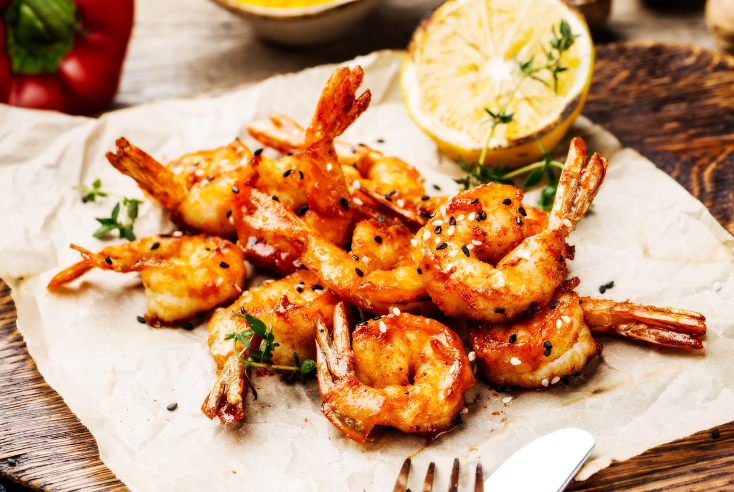
- Shrimps (“camarões“)
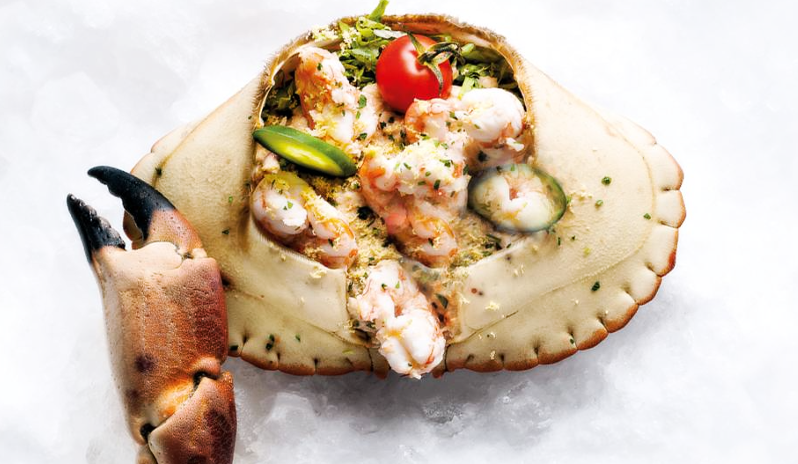
- Crab (“sapateira/navalheira“)
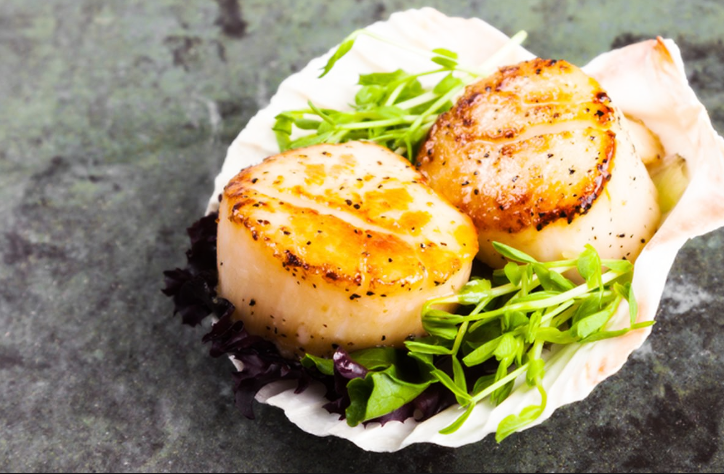
- Jacob scallops (“vieira“) – Jacob scallops are also a symbol of the famous pilgrimage walk “Camino de Santiago”.
- Goose barnacles (“percebes“) – This rare seafood does not look the most attractive but it is truly tasty 🙂

- Seafood rice (“arroz de marisco“)

Other sea creatures (not considered fish or seafood)
- Octopus (“polvo“) – One of the best octopus dishes is called “Polvo à Lagareiro“. You can try it in e.g. Casa da Guripa (though a bit more distant from the center but right next to the beach Angeiras) or Nogueiras´s Porto. Another restaurant specialized in the octopus is Olhinhos do polvo in Matosinhos.

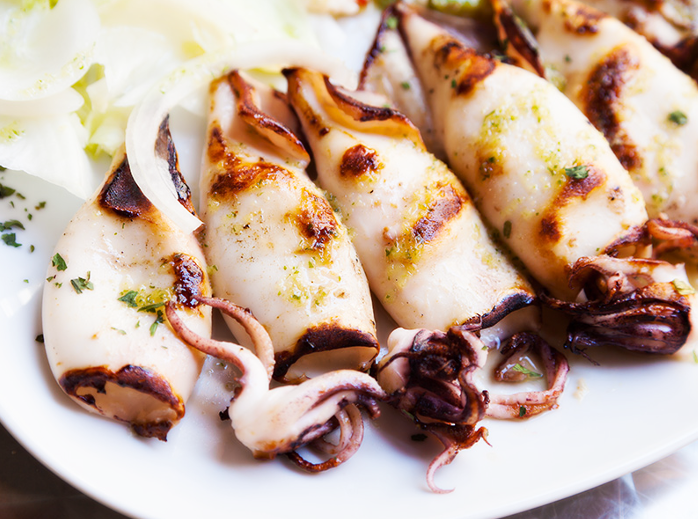
- Squid (“lulas/potas”) – Squid tastes best grilled. Portuguese also grill it “on stick” calling such dish “espetadas de lulas”.
Meat dishes
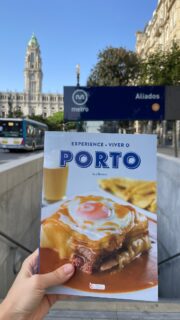
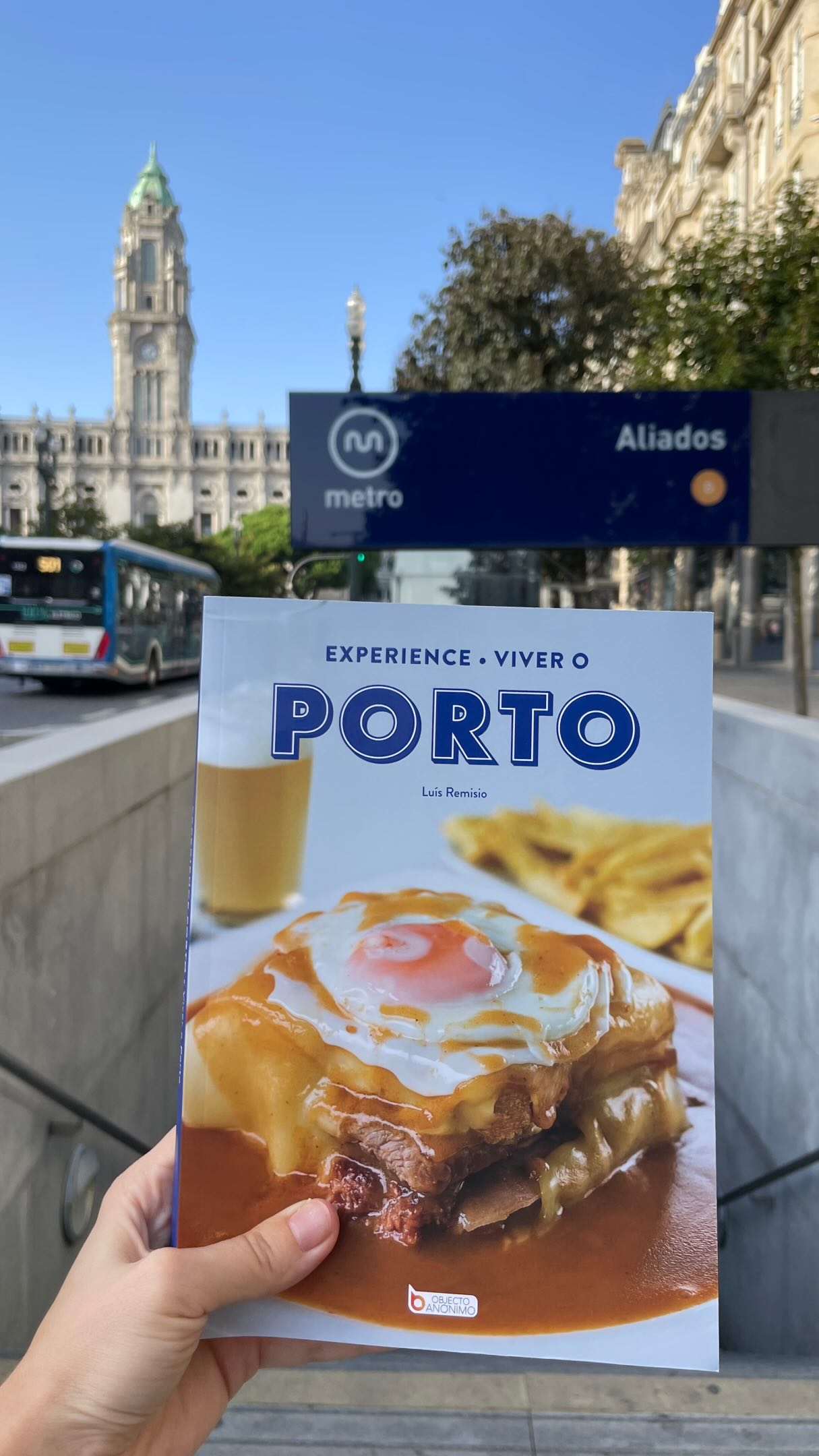
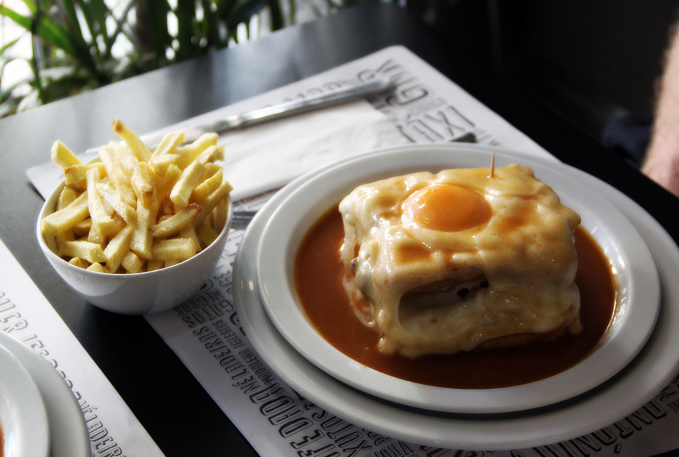
- Francesinha – Francesinha is a snack dish served on q plate typical for Porto region reportedly inspired by a French Croque Monsieur. The recipe uses thick slices of white loaf bread with ham (“fiambre“), sausage, cheese, and steak. The sandwich is then topped with more melted cheese, and lastly, a slightly spicy sauce on top what makes it unique. The sauce contains beer and it is a secret of each chef. The dish is served with French fries. The most famous places for eating francesinha are Café Santiago, Brasão Aliados, Lado B Café (Coliseu), Yuko Tavern or Capa Negra. People either love it. Or love it 🙂
- Tripas à moda do Porto – Tripas à moda do Porto is a dish of beef stomach made with tripe with white beans, carrots and rice. It is considered, as the name suggests, the traditional dish of the city of Porto.

- Picanha – Picanha is a bold, flavorful beef dish originated in Brazil. Portuguese serve it grilled with rice or French fried and black bean.

- Leitão – Leitão or a piglet is one of the typical Portuguese dishes.

- Carne de porco à alentejana – Carne de Porco à Alentejana is one of the most traditional and popular pork dishes of Portuguese cuisine. It is a combination of pork and clams, with potatoes and coriander originated in Alentejo.

- Bifana – Bifana is one of the main sandwiches in the country, enjoyed from north to south. It’s a pork steak sandwich seasoned with garlic and spices, then put inside a bread roll. The most traditional place to eat it in Porto is Conga or Casa Guedes tradicional.
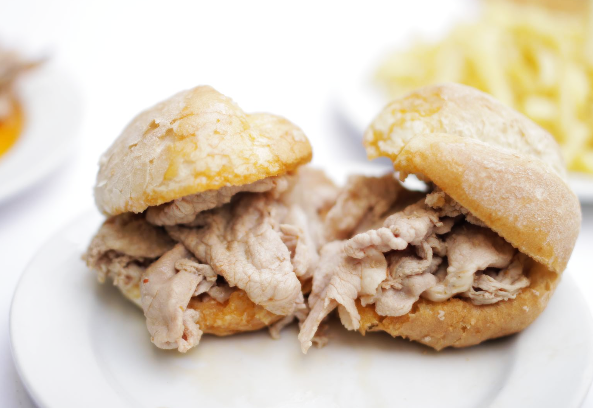
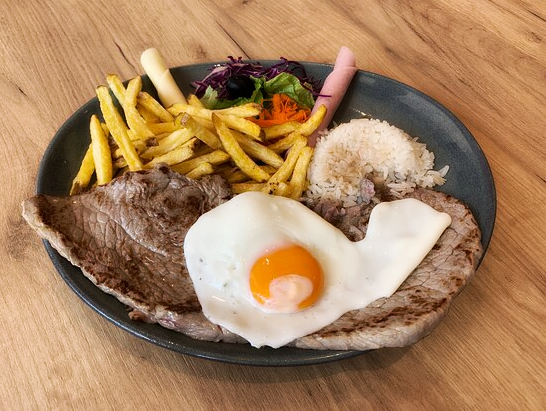
- Prego no prato (or prego no pão) – Prego no prato/pão is a simple Portuguese steak served either on a plate (“no prato“) or inside a bread (“no pão“).
Soups
- Caldo verde – Caldo verde is a Portuguese kale and potato soup with sausage from nothern Portugal.

Pastries
- Pastel de nata – Pastéis de nata are traditional Portuguese egg custard tart pastries often dusted with cinnamon. The best places to try a just baked pastel de nata in Porto is Manteigaria or Fábrica da Nata.

- Bolas de Berlim – In Portugal, Berliners are slightly bigger than their German counterparts and the filling is frequently an egg-yolk-based yellow cream called creme pasteleiro. Portuguese often eat them on the beach where they can be bought by local small producers.

- Ovos moles de Aveiro – Ovos moles are a local pastry delicacy from Aveiro District made of egg yolks and sugar. This mixture is then put inside small rice paper casings or wheat flour casings similar to communion wafers shaped into nautical shapes such as shells.

Beverages
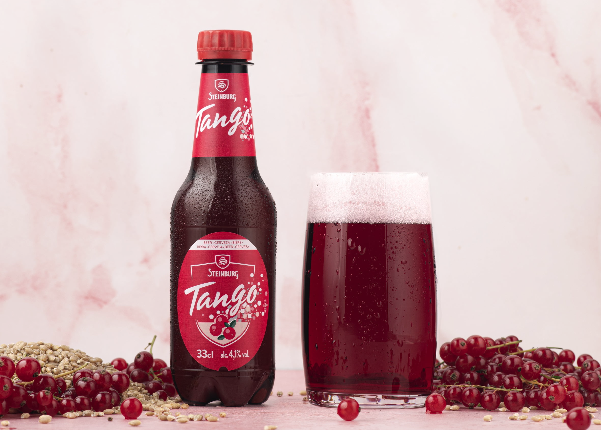
- Beer (“cerveja“) – A beer brand from Porto is Super Bock. Portuguese women often drink beer with a redcurrant (“groselha“) syrup. The name of this drink is tango. The most famous craft beer from Porto is Sovina.
- Wine (“vinho“) – Wine is probably the most famous Portuguese drink. Apart from famous Port wine, Portuguese have also an excellent red and white wine. The best regions for vineyards are Douro and Alentejo Districts. Further, Portuguese are also famous for so called “vinho verde” – or green, immature wine. Another drink related to wine from Portugal is a mixture of Port wine with tonic.

- Orange juice (“sumo de laranja“) – Portugal as one of the largest EU orange producers has also a tasty sweet orange juice.

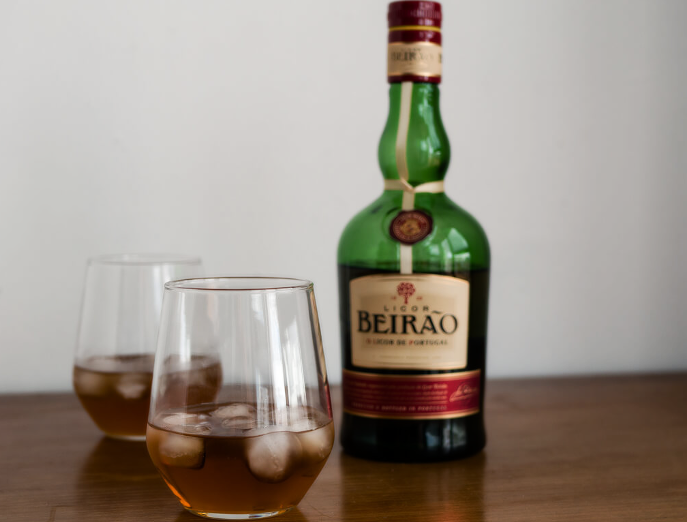
- Licor Beirão – Beirão is a Portuguese liqueur from the Beira region. Originating in the 19th century, it is the most consumed alcoholic spirit in Portugal.
- Aguardente – Aguardente is a generic term for alcoholic beverages that contain between 29% and 60% alcohol by volume.

- local brands of soft drinks – Sumol, Compal, Água das Pedras