This article contains affiliate links. If you book through them, we may earn a small commission at no extra cost to you. It helps keep Porto Expats free.
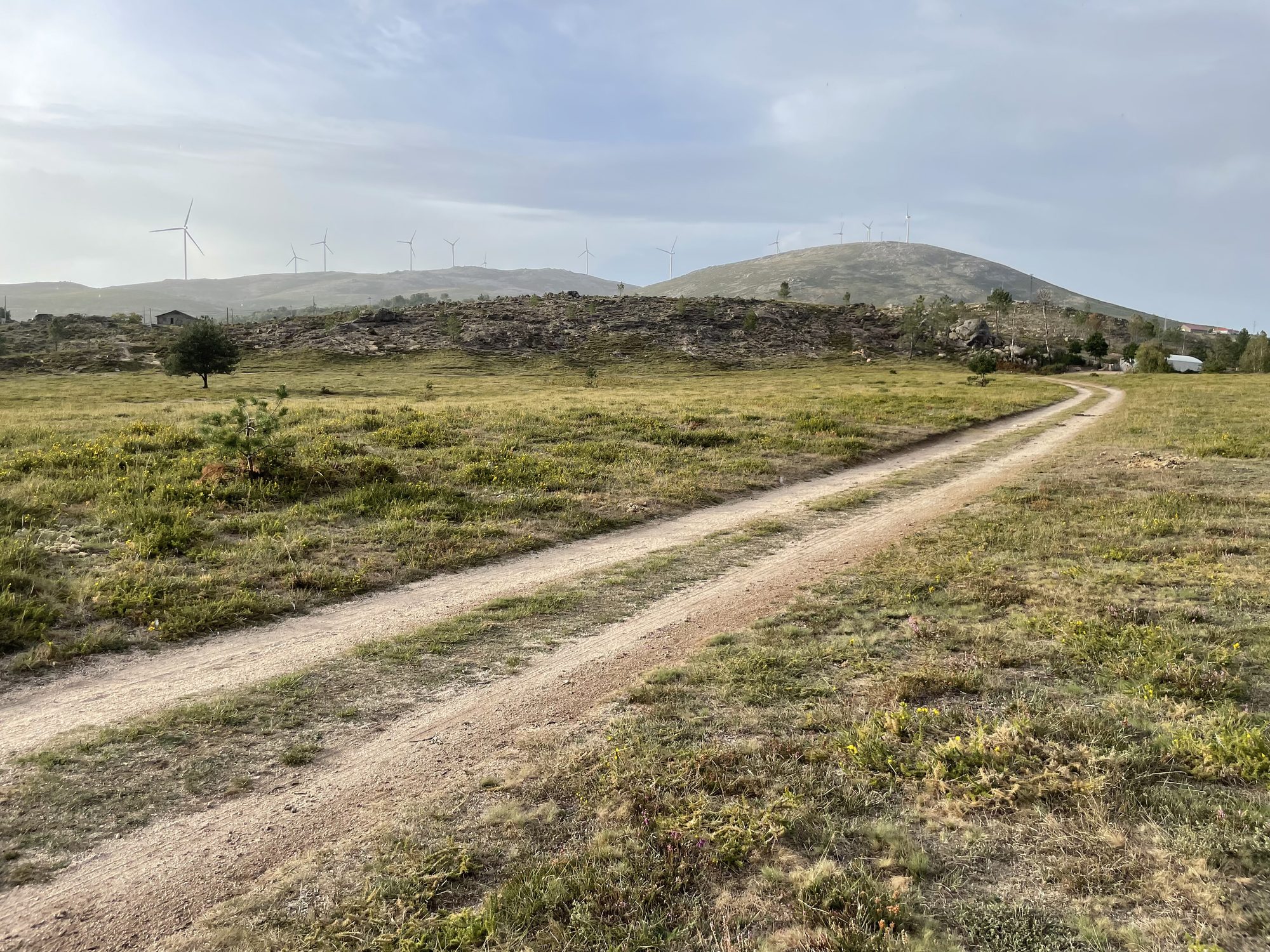
After exploring the iconic granaries of Soajo in the first article of our Discover Gerês series, it’s time to go even deeper into the mountains of northern Portugal. Castro Laboreiro sits in the heart of Peneda-Gerês National Park, close to the Spanish border. It’s a remote village where medieval history, dramatic landscapes, unique traditions and great hiking trails come together.
If you’re looking for an authentic weekend escape from Porto, this is one of the most memorable destinations you can visit.
At a glance
- Distance from Porto: about 2 hours by car
- Best time to visit: late spring to early autumn. Winters are cold, foggy and sometimes snowy.
- Ideal stay: one weekend (2 days, 1 night)
- Good to know: shops and fuel stations are scarce and phone signal can be patchy, so fill up and download offline maps before you go.
Getting There from Porto
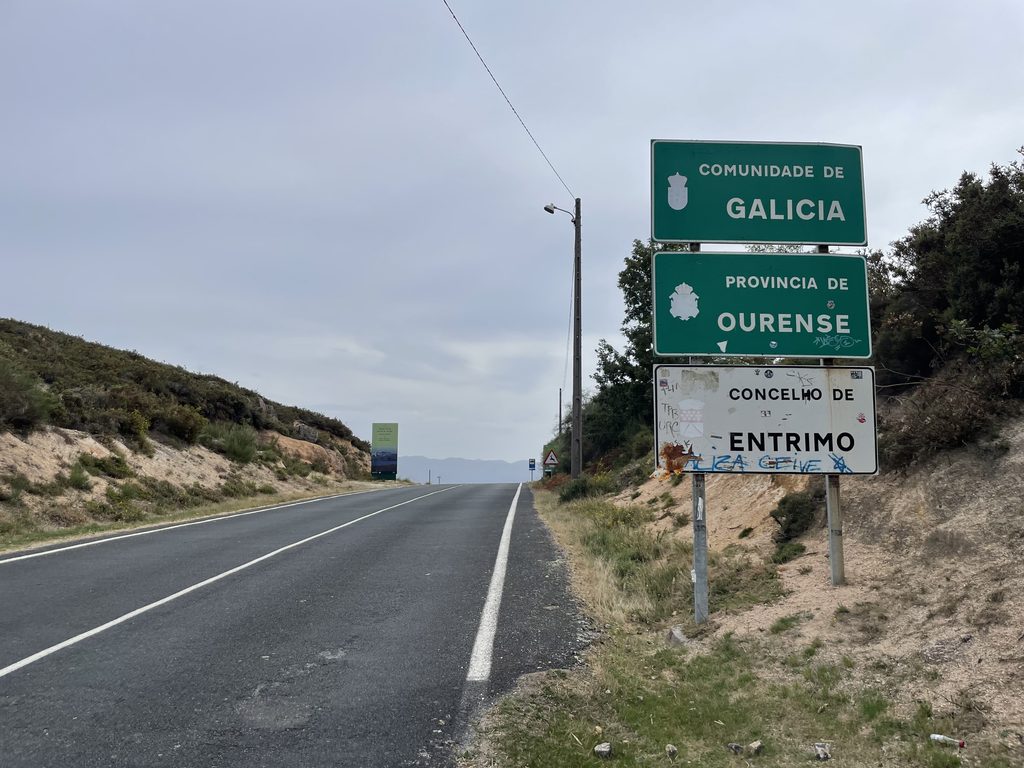
The easiest way to reach Castro Laboreiro is by car. As you leave the motorway and climb into the mountains, the scenery turns into granite peaks, forests, rivers and winding roads that feel far removed from city life. The drive is part of the experience, especially once you enter the protected landscapes of Peneda-Gerês National Park. The last stretch is narrow and twisty, so take it slowly.
Where to Stay
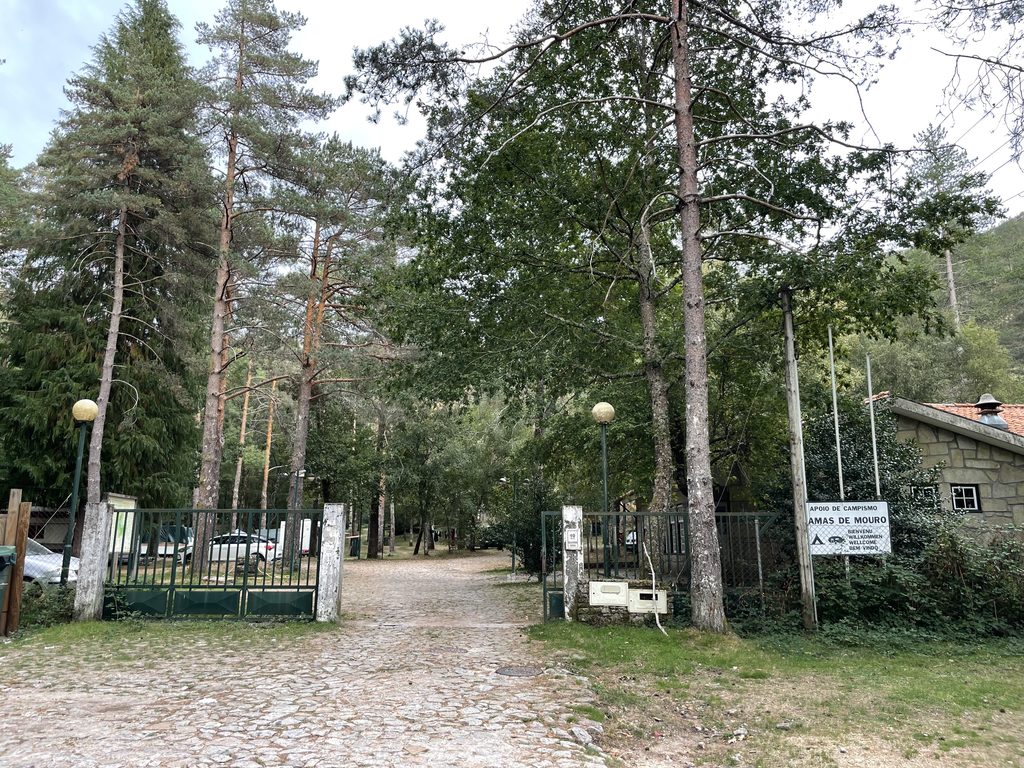
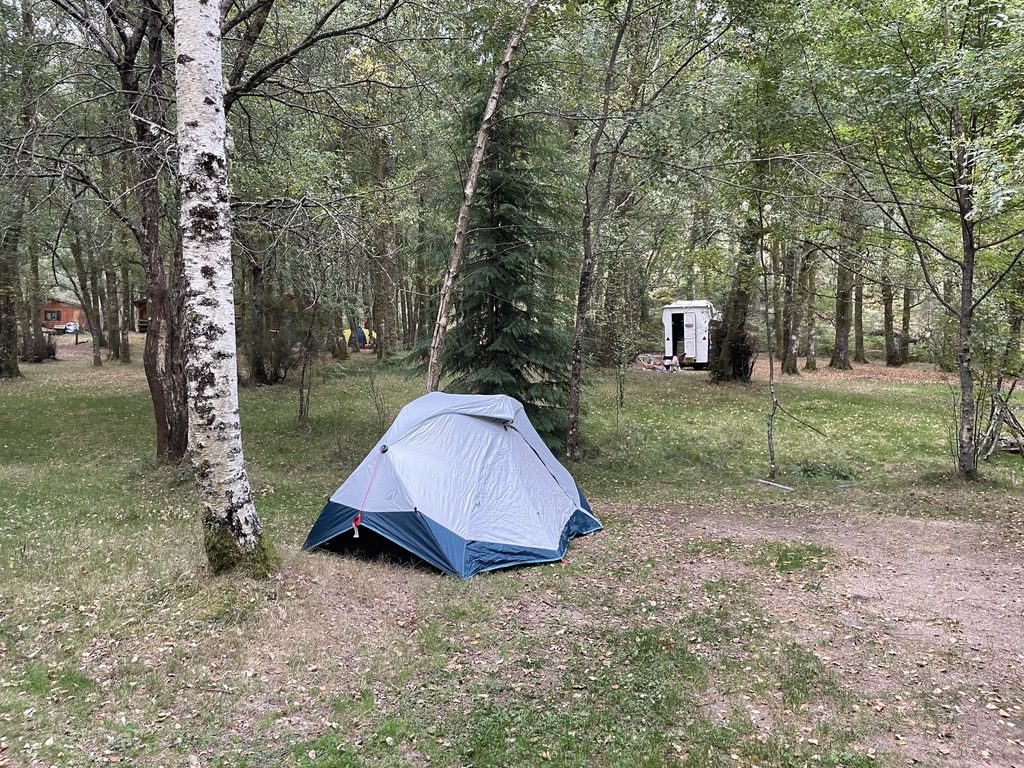
For nature lovers, we recommend staying at Camping de Lamas de Mouro, located just a few minutes from Castro Laboreiro.
Surrounded by forests and mountain scenery, it provides the perfect base for hiking, wildlife spotting, and exploring the region. Whether you’re travelling with a tent, camper van, or simply looking for a peaceful place close to nature, it offers an authentic Gerês experience far from the crowds.
Explore the Historic Village & Cross the Medieval Bridges
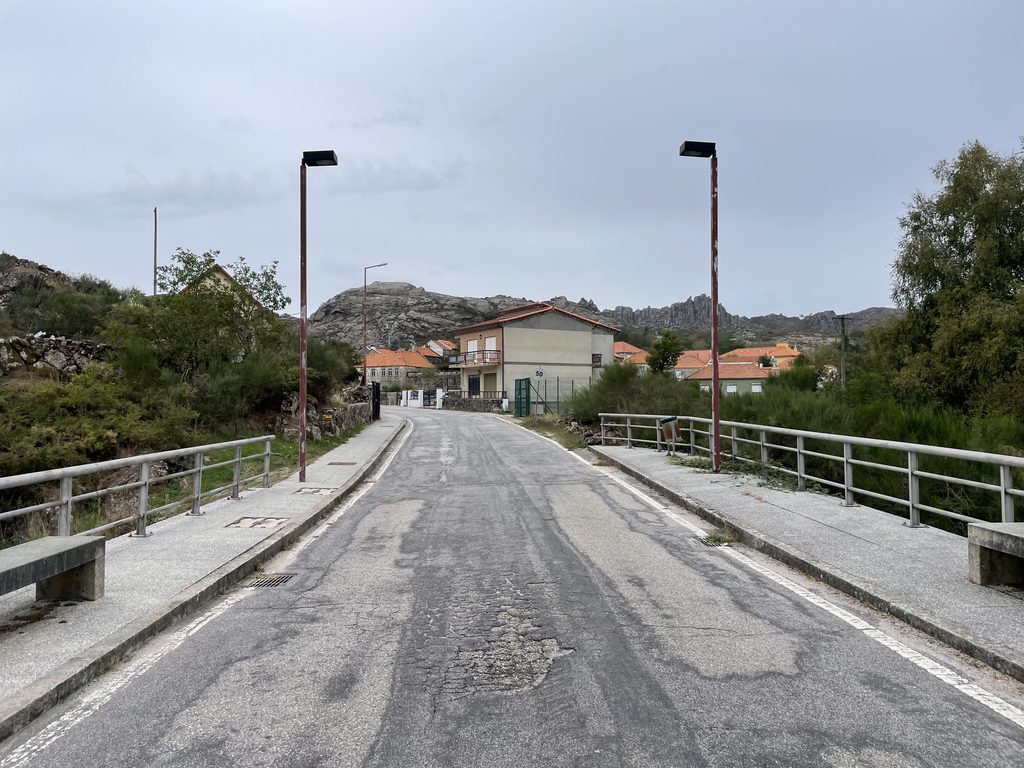
Castro Laboreiro is one of those places that immediately feels different. Traditional granite houses, narrow streets, grazing animals, and mountain views create an atmosphere that has remained largely unchanged for generations.
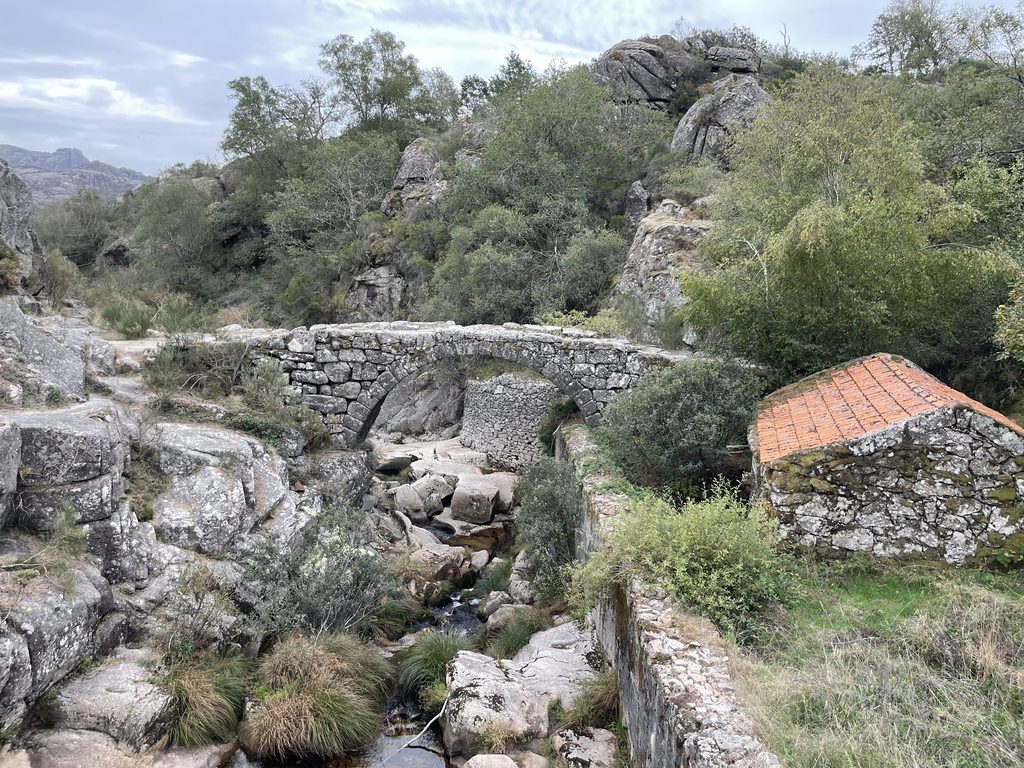
One of the most photogenic spots in Castro Laboreiro is the Ponte Velha, also known as the Ponte dos Mouros. Built from granite and dating back several centuries, the bridge spans the Rio Laboreiro beside beautiful waterfalls and was once part of the route leading to the castle. Today it remains one of the village’s most iconic landmarks and an excellent stop for photographs.
Brandas and Inverneiras: A Village That Moved With the Seasons
What makes Castro Laboreiro unique is its ancient way of life. For centuries, local families lived in two places. In summer they moved up to the brandas, high-altitude settlements where cattle could graze on fresh mountain pastures. In winter they came down to the inverneiras, sheltered hamlets in the valleys that escaped the harshest weather.
Many of these stone hamlets still dot the landscape, and some are reachable on foot. Walking between them is one of the best ways to understand how people adapted to life in these mountains.
Visit the Castle
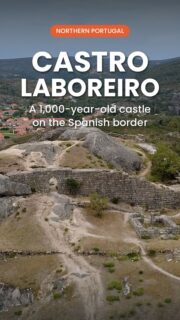
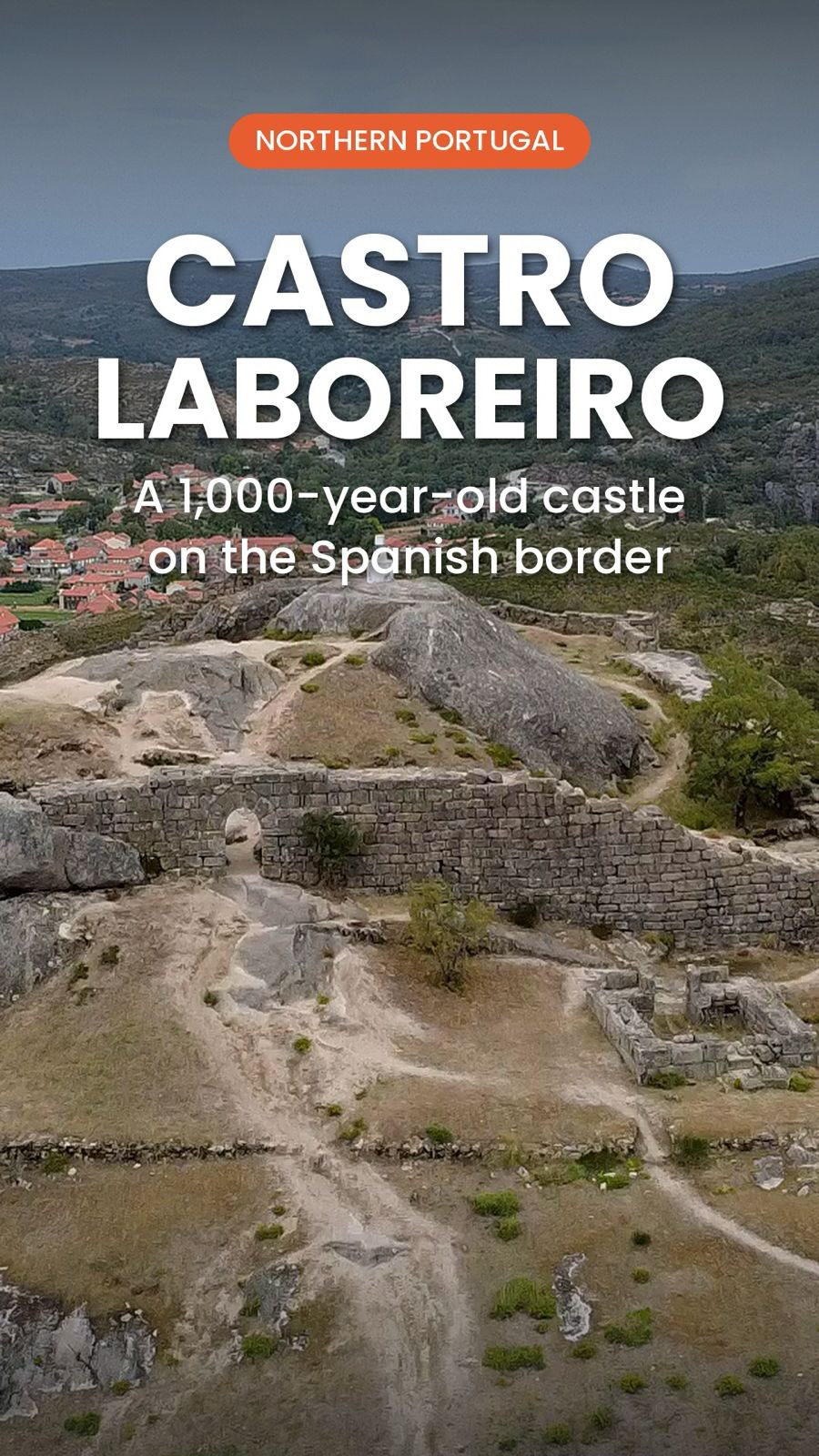
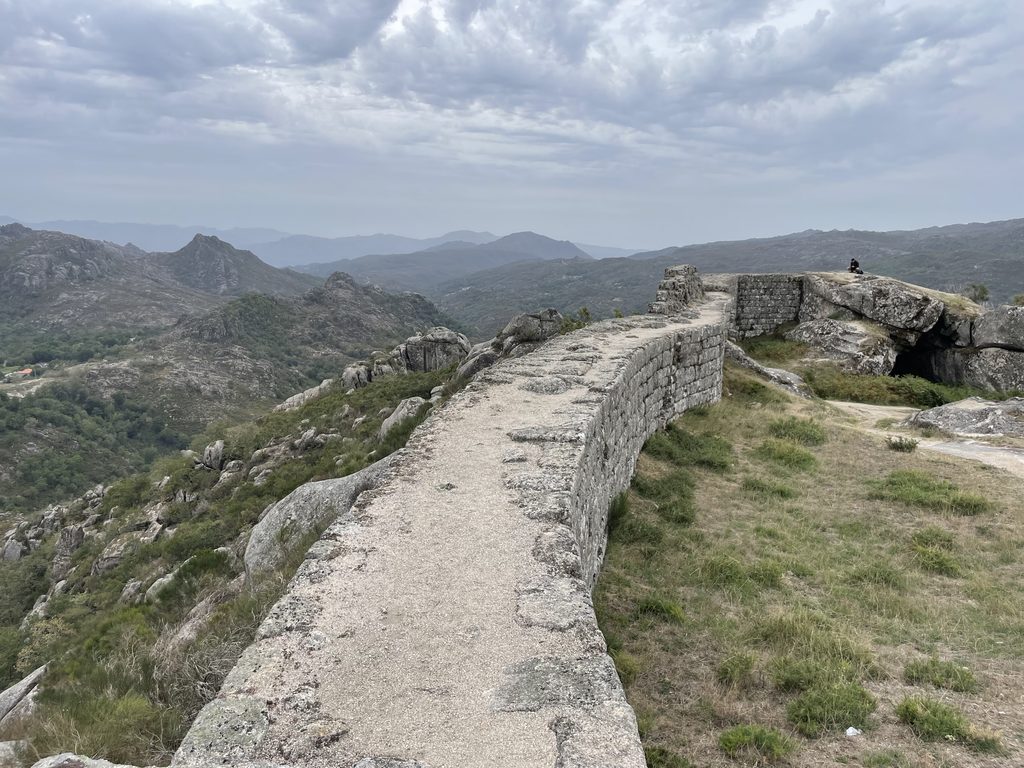
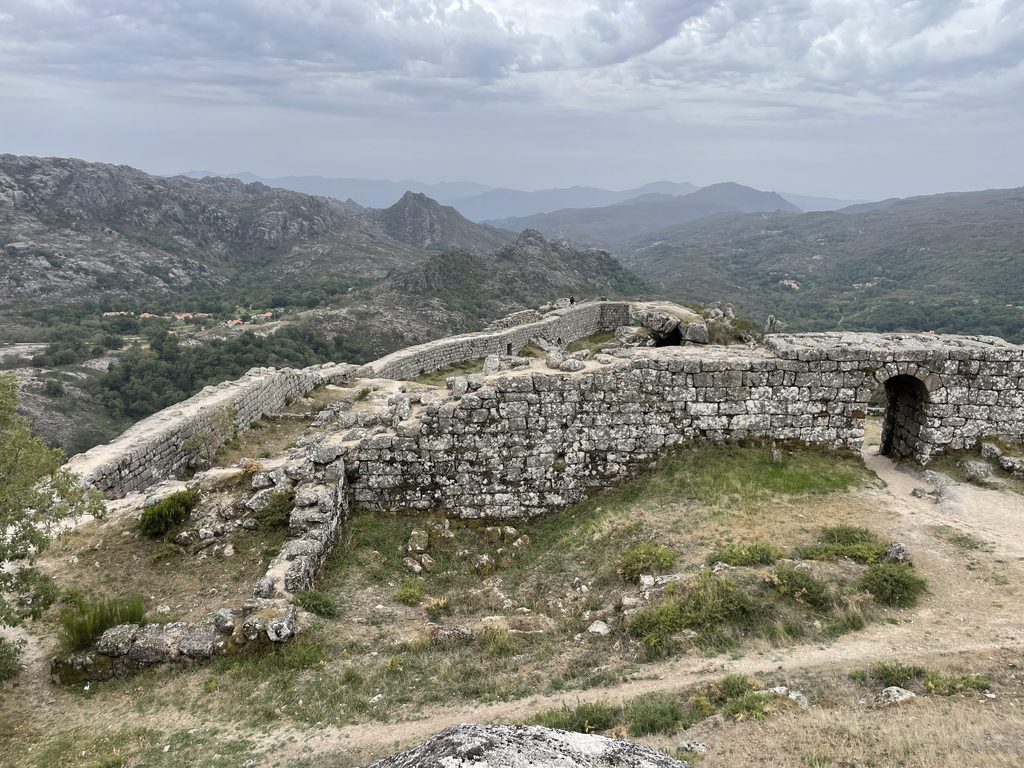
Towering above the village on a rocky hill stands the Castle of Castro Laboreiro, one of the region’s most important historic landmarks.
This medieval fortress occupies a strategic position overlooking the valleys and mountains surrounding the Spanish border. The short hike to the ruins rewards visitors with incredible panoramic views over one of the wildest landscapes in northern Portugal. It’s easy to see why this spot was chosen for defence centuries ago.
Meet the Famous Castro Laboreiro Dogs
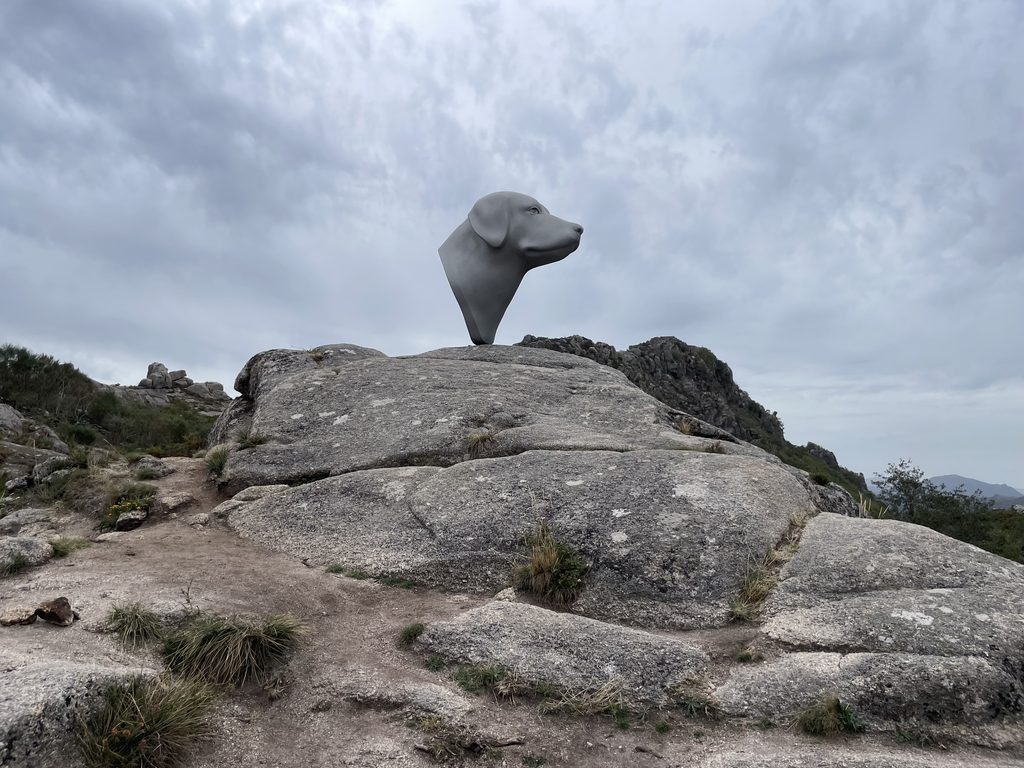
Castro Laboreiro is so unique that it even gave its name to one of Portugal’s oldest native dog breeds: the Cão de Castro Laboreiro.
Originally bred to protect livestock from wolves in the surrounding mountains, these loyal guardians have become a symbol of the region. You’ll find even a statue dedicated to the breed in the village, celebrating a dog that has protected local shepherds and their flocks for centuries. The breed remains an important part of local identity today.
Go Hiking
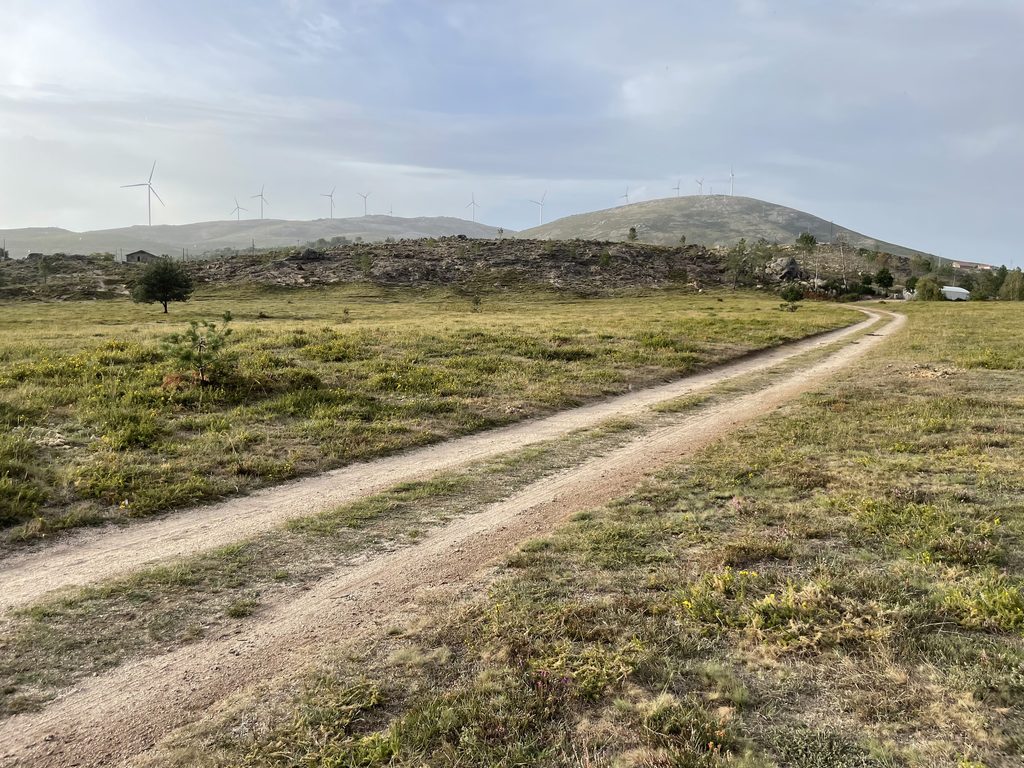
The area around Castro Laboreiro offers some of the most beautiful hiking opportunities in Peneda-Gerês. Numerous marked trails lead through forests, mountain plateaus, waterfalls, old shepherd paths, and remote stone settlements.
More experienced hikers may also recognize Castro Laboreiro as one of the highlights of the GR50 – Grande Rota Peneda-Gerês, one of Portugal’s most famous long-distance trails. The route crosses some of the most spectacular landscapes in the national park, passing through traditional villages, mountain passes, rivers, and protected natural areas.
Even if you’re not planning to tackle the entire GR50, you’ll be able to enjoy sections of the same landscapes through the many local trails around Castro Laboreiro. Bring comfortable walking shoes and a camera, as the panoramic views are some of the best you’ll find anywhere in northern Portugal.
Wildlife and Nature
One of the greatest reasons to visit Castro Laboreiro is the opportunity to experience nature at its wildest.
Keep an eye out for:
- Iberian ibex (cabra-montês), the wild mountain goats that move across the steep rocky slopes
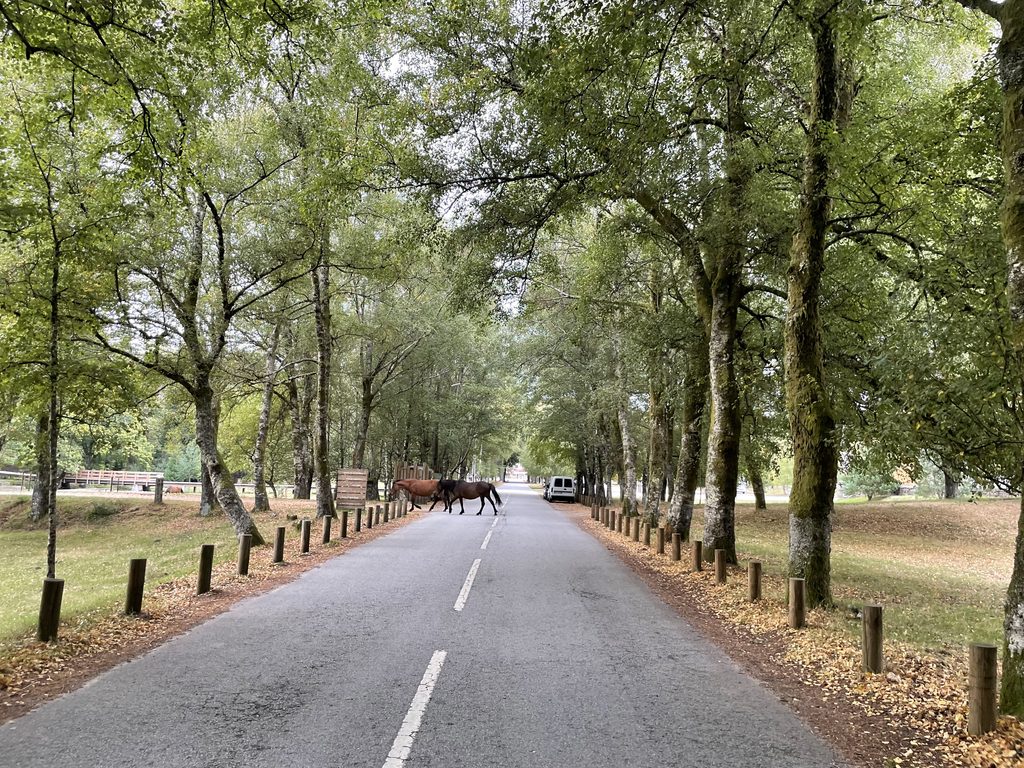
- Semi-wild Garrano horses, a small native breed that roams freely across the mountains of northern Portugal
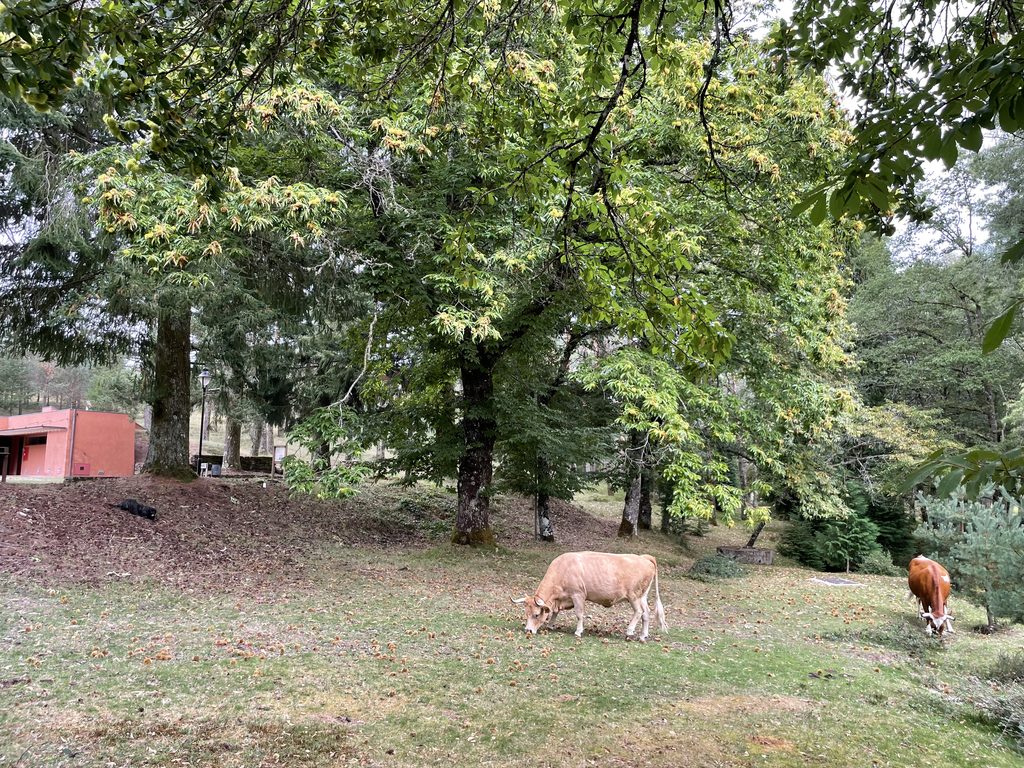
- Cachena cattle, an ancient local breed famous for its impressive long horns
- Birds of prey circling above the valleys
- Native forests and mountain vegetation
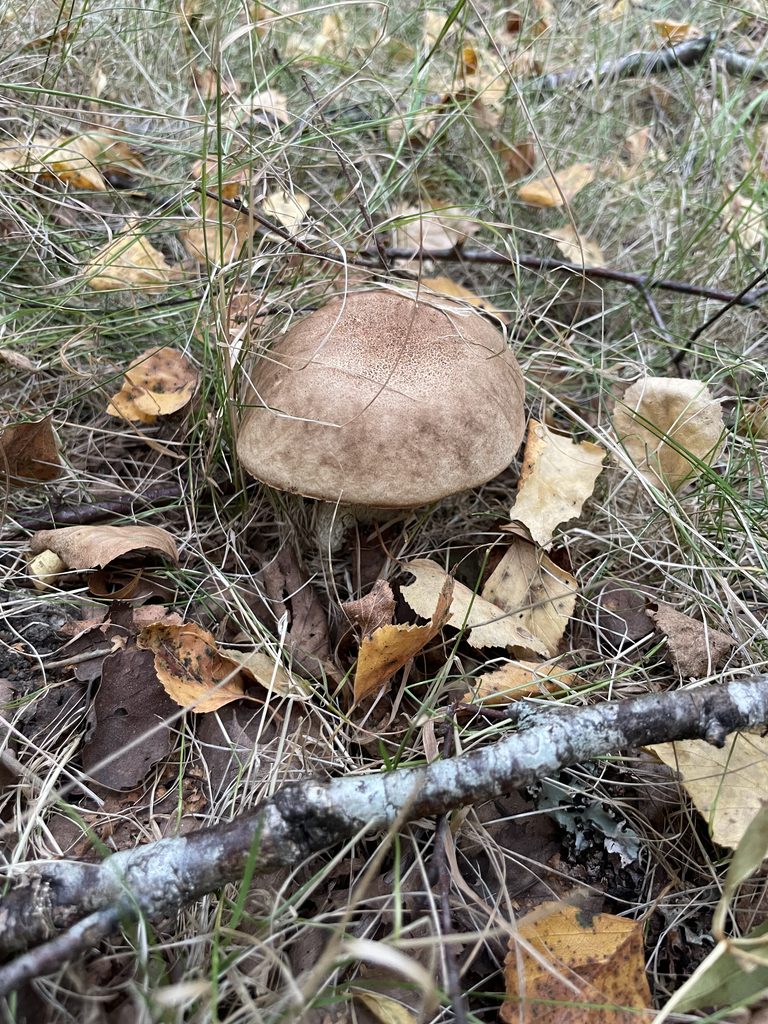
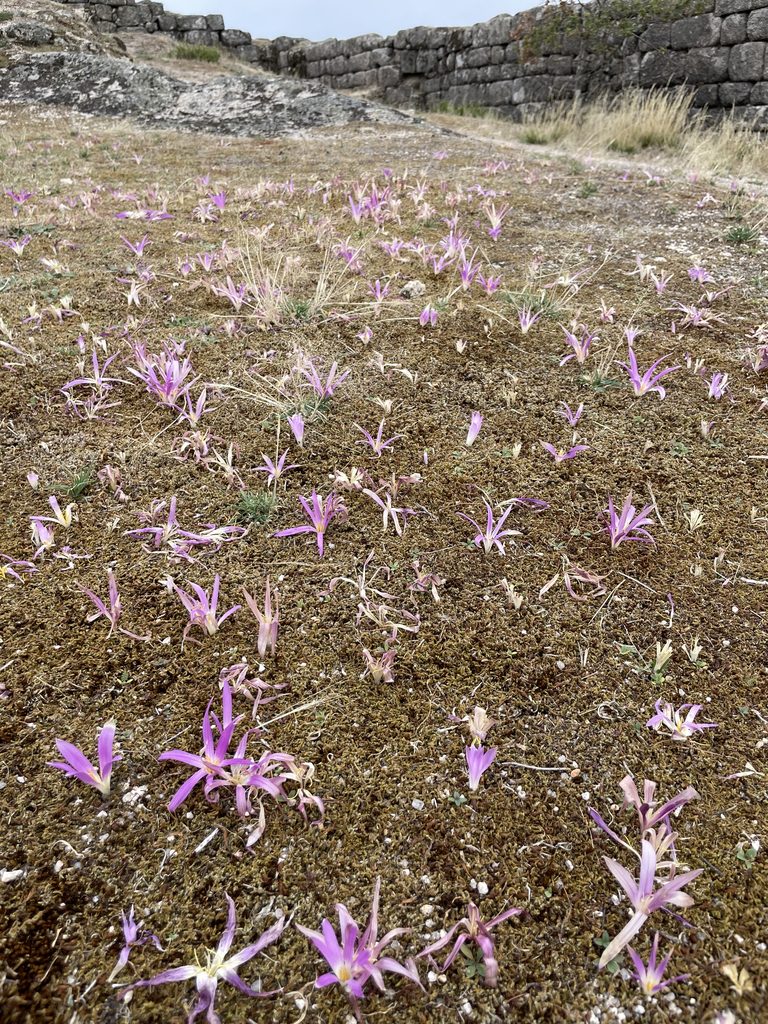
Depending on the season, you’ll also encounter many of the area’s natural treasures, including wild mushrooms, chestnut forests, colorful heather, and seasonal wildflowers.
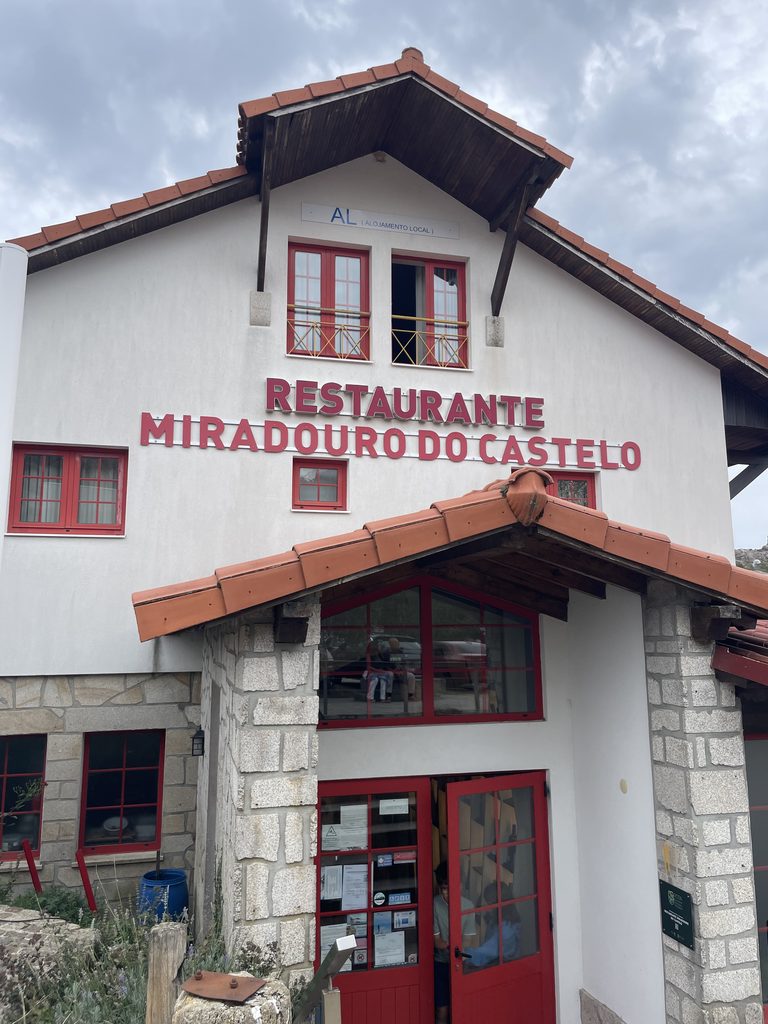
Where to Eat: O Miradouro do Castelo
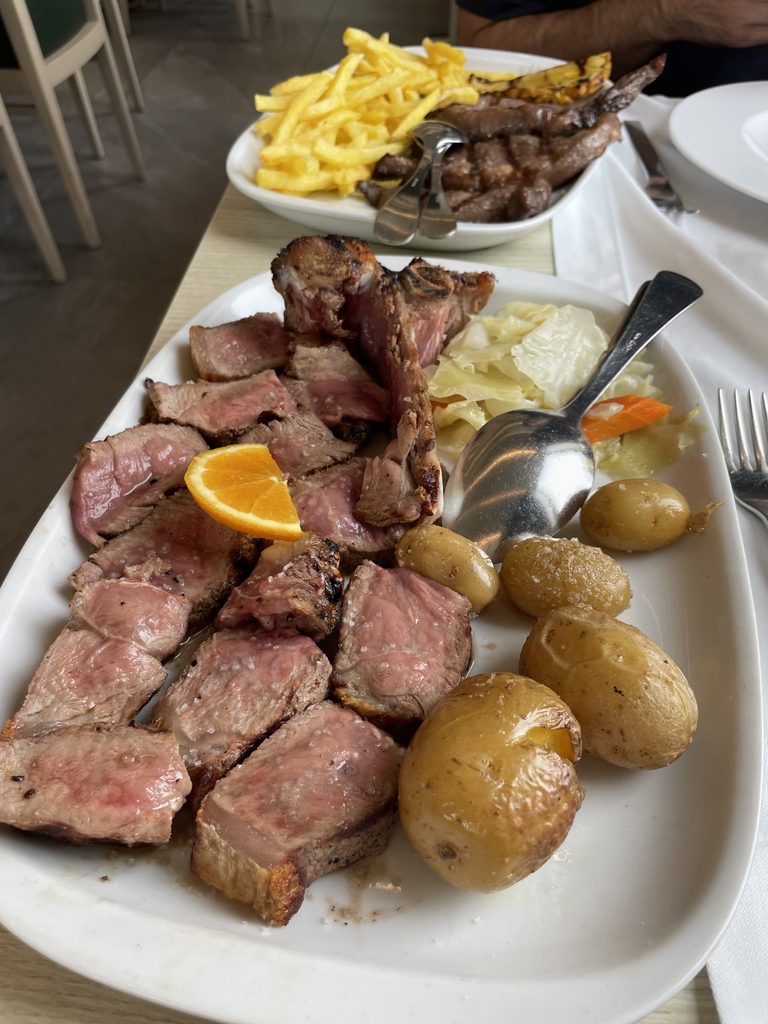
After a day of hiking and exploring, head to O Miradouro do Castelo, one of the best places in the area to discover traditional mountain cuisine.
The restaurant is known for its regional dishes and local meats, making it the perfect place to try specialties from the region. If available, don’t miss the chance to taste Cachena beef, a product closely linked to these mountains and highly regarded throughout northern Portugal.
Combined with the beautiful views and rustic atmosphere, it’s exactly the kind of authentic dining experience that makes a trip to Castro Laboreiro unforgettable.
Suggested Weekend Itinerary
Day 1: Drive from Porto, check in at Lamas de Mouro, wander the village, cross the Ponte Velha, climb to the castle at sunset and have dinner at O Miradouro do Castelo.
Day 2: Morning hike through the brandas, watch for wildlife, have a picnic by the river and drive back to Porto in the afternoon.
Why Visit Castro Laboreiro?
While Soajo is famous for its granaries and postcard-perfect village centre, Castro Laboreiro offers something even wilder. Here you’ll find medieval history, mountain landscapes, unique wildlife, centuries-old traditions, challenging hiking trails, and some of the most authentic rural culture in Portugal.
If you’re looking to escape the city and discover a side of Portugal that many visitors never see, Castro Laboreiro deserves a place at the top of your weekend travel list.
FAQ
Is Castro Laboreiro worth visiting? Yes, especially if you love hiking, wildlife and quiet, authentic villages.
How long should I spend there? A weekend is ideal, though a long day trip from Porto is possible.
Can I visit without a car? Public transport is very limited, so a guided tour / rent a car is the easiest option.
Rather not plan it yourself?
Guided day trips to Peneda-Gerês that leave from Porto.
Stay tuned for the next article in our Discover Gerês series, where we’ll continue exploring hidden corners of Portugal’s only national park. 🌿🏔️